Biosphere Reserves
The integrity of Earth's living biosphere hinges upon continuous, contiguous biological corridors capable of supporting genetic drift and climate-induced species migration.
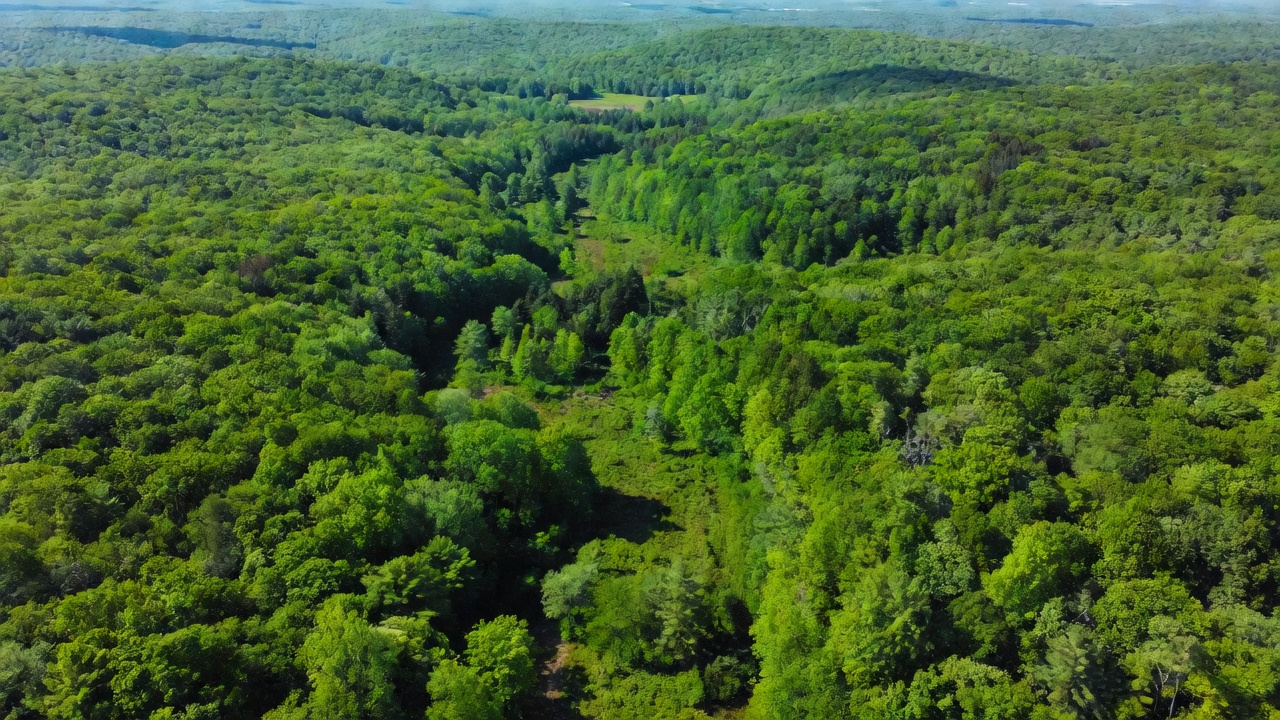
Fragmented Habitats and the Extinction Threshold
Human infrastructure has carved global landmasses into over 50 million discrete fragments. According to the Convention on Biological Diversity, more than 70% of remaining continental forest cover stands within one single kilometer of an anthropogenic edge. This proximity increases microclimatic desiccating winds, human poaching vulnerability, and opportunistic invasive flora intrusions.
Biosphere reserves, established under UNESCO frameworks, offer a three-tiered spatial zoning system: an inviolable core sanctuary area dedicated to baseline ecological continuity; a monitored buffer perimeter permitting low-impact ecological research and restorative foraging; and a flexible outer transition region where agroforestry and sustainable settlements coexist.
Svalbard and Alpine Cryo-Preservation Arrays
Complementing in-situ wildlife sanctuaries, ex-situ botanical gene preservation stands as our planetary fail-safe. Perched within the permafrost sandstone of Spitsbergen, the Svalbard Global Seed Vault securely holds over 1.2 million distinctive agricultural seed accessions. Concurrently, regional cryo-banks throughout Scandinavia and the European Alps catalog alpine mosses, lichens, and sub-polar angiosperms that cannot withstand a persistent 2°C regional heat anomaly.
Scandes Mountain Transboundary Corridor
Connecting 28,000 square kilometers across Norway and Sweden, facilitating uninhibited Arctic fox (Vulpes lagopus) and wolverine pack migration away from sub-alpine boreal heating.
Carpathian Virgin Forest Buffer
Sustaining Europe's dense populations of brown bears and lynx through rigorous logging moratoria and sensor-assisted acoustic anti-poaching triangulation.
Kew Millennium Seed Partner Network
Duplicated wild plant genetics guarding 40,000 dryland and marshland varieties crucial for post-fire habitat rehabilitation and food security resilience.
Quantifying Ecological Restoration Metrics
Ecologists evaluate the success of rewilded lands through three empirical pillars: structural vegetation density via LiDAR remote scanning, trophic pyramid richness measured by environmental DNA (eDNA) water sampling, and hydrologic soil water-holding indices. When keystone species such as European beavers or Eurasian bison are re-introduced, downstream wetland recharge surges by up to 34% within five seasons.