Decarbonization Pathways
Replacing carbon-dense thermal power plants requires addressing intermittency, dispatch latency, and high-voltage transmission bottlenecks across synchronous electrical grids.
The HVDC Supergrid Architecture
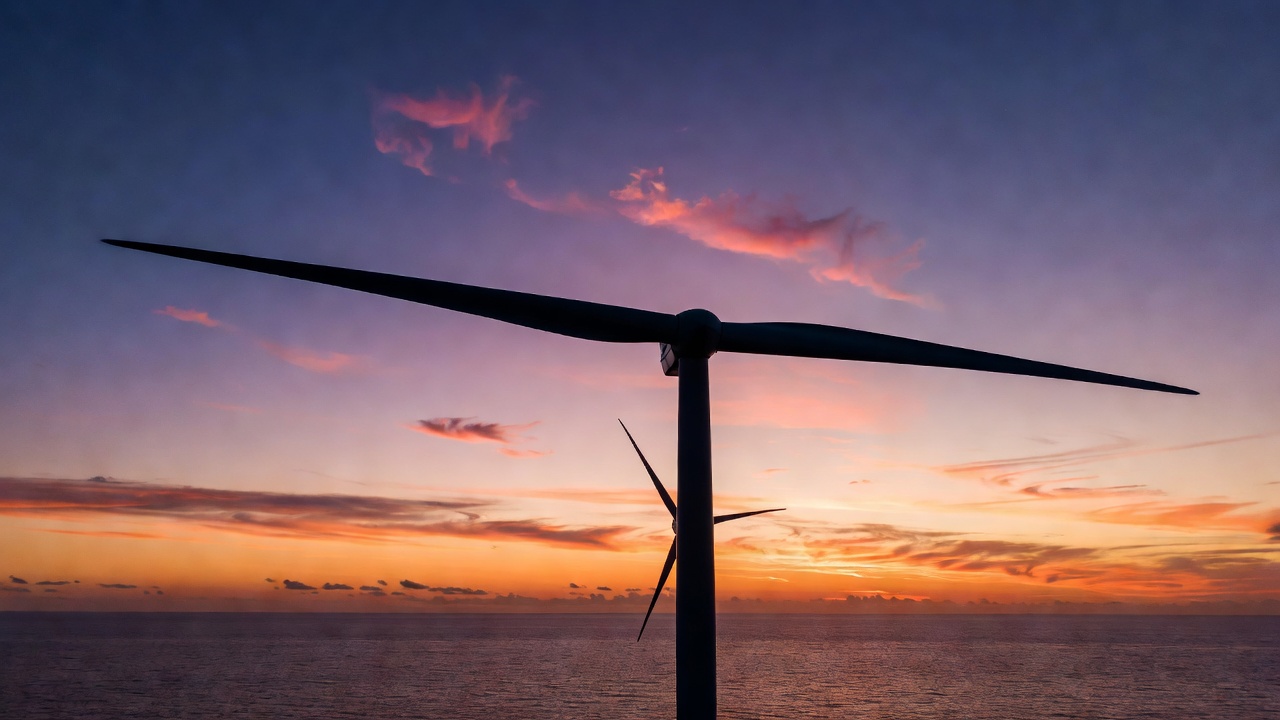
Renewable power is geographically concentrated where natural fluxes are most intense: offshore gales in the North Sea, unshaded solar irradiance across the Mediterranean and North Africa, and concentrated hydro reservoirs in the Scandinavian mountains. Connecting these asynchronous nodes requires High-Voltage Direct Current (HVDC) subsea and subterranean cables operating at up to ±525 kV.
HVDC transmission exhibits line loss rates below 3% per 1,000 kilometers—under half the dissipation rate of conventional alternating current (AC) lines—enabling cross-continental load balancing. When wind output ebbs in Central Europe, pumped storage hydro in the Norwegian fjords provides instantaneous spinning reserve capacity without igniting gas turbines.
Lifecycle Emissions Benchmarks
A rigorous climate analysis examines not merely smokestack outputs, but entire lifecycle emissions: mining, raw processing, transport, installation, maintenance, and decommissioning recycling rates.
| Generation Source | Median Lifecycle CO2e (g/kWh) | Primary Grid Role | Capacity Factor Range |
|---|---|---|---|
| Offshore Wind (Deep Water) | 11 g/kWh | Bulk Variable Energy | 48% – 62% |
| Utility Photovoltaic (Monocrystalline) | 28 g/kWh | Daytime Peaking Load | 20% – 28% |
| Advanced Geothermal (Closed-Loop) | 15 g/kWh | Continuous Baseload | 90% – 95% |
| Pumped Storage Hydroelectric | 18 g/kWh | Intraday Frequency Balancing | Demand Responsive |
| Combined-Cycle Gas Turbine (Methane) | 460 g/kWh | Legacy Peaker Asset | 35% – 85% |
| Supercritical Pulverized Coal | 820 g/kWh | Phaseout Target | 50% – 75% |
Storage Chemistry Beyond Lithium-Ion
While lithium iron phosphate (LFP) chemistries dominate electric mobility and short-duration (1-4 hour) grid smoothing, seasonal storage spanning weeks requires alternative electrochemical systems. Sodium-ion batteries utilize abundant, non-conflict raw materials, eliminating cobalt and nickel dependencies while demonstrating superior thermal stability in sub-zero climates.
Concurrently, iron-air systems that exploit the reversible rusting of metallic iron offer 100-hour discharge durations at one-tenth the capital cost per kilowatt-hour of chemical lithium systems, resolving the infamous "Dunkelflaute" periods of prolonged low wind and overcast skies across Northern Eurasia.