Ocean Governance
Encompassing two-thirds of the planet's surface, international ocean waters have historically represented a legal vacuum vulnerable to bottom-trawling, chemical runoff, and uncontrolled resource extraction.
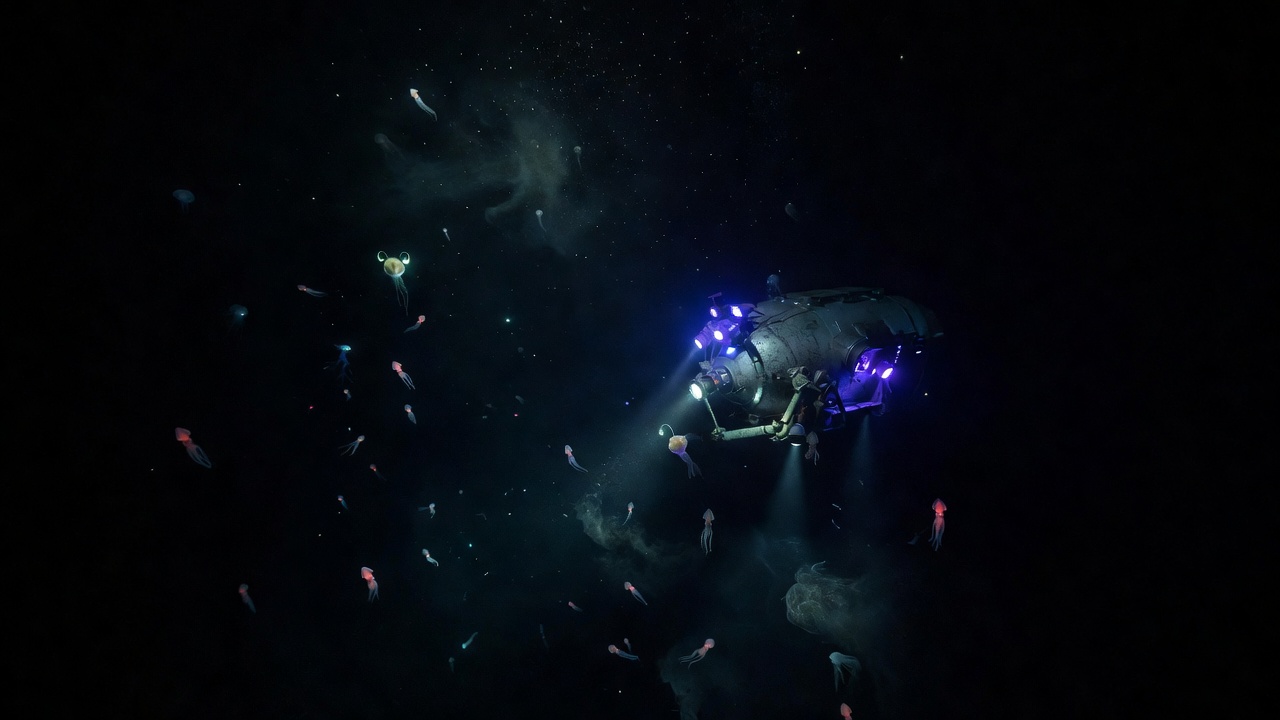
The High Seas Treaty (BBNJ) Turning Point
Adopted under the United Nations Convention on the Law of the Sea (UNCLOS), the Agreement on Marine Biodiversity of Areas Beyond National Jurisdiction (BBNJ) establishes the initial legally binding architecture to establish Marine Protected Areas (MPAs) in international waters. Prior to this treaty, less than 1.5% of the high seas held any designated ecological safeguards.
Under the BBNJ framework, signatory states must complete standardized Environmental Impact Assessments (EIAs) before authorizing commercial operations in pelagic waters, including maritime geoengineering trials, artificial upwelling systems, and oceanic seabed exploration.
Deep-Sea Mining: The Clarion-Clipperton Zone Dispute
The race to secure battery metals has ignited intense geopolitical contention over polymetallic nodules resting in the abyssal plains of the Clarion-Clipperton Zone (CCZ) in the Central Pacific, at depths between 3,500 and 5,500 meters. These potato-sized concretions harbor vast reserves of manganese, nickel, cobalt, and copper.
However, abyssal benthic ecosystems develop over millions of years under perpetual darkness and extreme hydrostatic pressures. Scientific studies published in leading oceanographic journals indicate that deep-sea sediment plumes generated by robotic crawler treads remain suspended in mid-water columns for thousands of nautical miles, choking filtering deep-water fauna and altering microbial nutrient loops.
Precautionary Moratorium Coalition
Over 32 maritime nations have formally backed a precautionary pause or absolute ban on commercial seabed extraction until independent ecotoxicological impacts are fully understood.
Thermal Bleaching Early-Warning Arrays
Autonomous ARGO float networks measure thermocline shifts, enabling conservation dive crews to deploy shade screens and larval seeding across degraded barrier reef systems.
AIS Transponder Illegal Fishing Interception
Global Fishing Watch synthesizes synthetic aperture radar and automatic identification data to pinpoint dark vessels illicitly longlining inside marine sanctuaries.
Blue Carbon Coastal Ecosystems
Mangrove forests, seagrass meadows, and salt marshes sequester organic carbon at rates up to ten times greater per hectare than terrestrial tropical rainforests. Protecting these estuarine buffers serves dual benefits: permanently entombing atmospheric carbon within anoxic mud strata while dissipating storm surge energy, shielding vulnerable coastal infrastructure.